
Speech Language Pathology
About Speech Language Pathology
Speech-language pathologists work with patients seeking treatment in areas of speech, language, vocal disorders, and swallowing disorders. They develop long-term relationships with kids in settings such as Early Intervention and K-12 education settings.
They often work in healthcare settings such as clinics, nursing homes, or hospitals to provide care across the lifespan. Many Speech Language Pathologists can also work in private practices by providing direct patient care, consulting, and administration work.
Other Speech Language Pathology Career Paths include Speech Language Pathology Assistant (SPLA) and Speech Language and Hearing Scientist (Ph.D).
For the most up-to-date salary information, visit the U.S. Bureau of Labor Statistics website.
In addition to the resources below, we encourage you to connect directly with the staff at UW’s Speech Language Pathology program. We also encourage you to reach out to a Career Advisor in your school/college for additional assistance. For example, students in the College of Letters & Science can see career & internship specialist Maureen Muldoon at SuccessWorks for more about speech-language & hearing and preparing for graduate school and job applications.
While this field is not among CPHA’s primary areas of advising expertise, we are here to support you in exploring the career, building helpful experiences, and navigating some aspects of professional program applications. Talk with us if you have questions!
On this page: Degree & Certification Paths | Explore Your Interest in Speech Language Pathology | Preparing for a SLP Program | Find a Program & Apply | Career Resources | Related CPHA Canvas Courses
Degree & Certification Paths
A master’s degree is required to work as a speech-language pathologist. Speech Language Pathology graduate programs typically take two years to complete. Degree requirements include both academic coursework and clinical practicum experiences.
A bachelor’s degree is required for admission to most graduate schools. Some programs require that applicants have an undergraduate degree in Communication Sciences and Disorders (CSD).
Explore Your Interest in Speech Language Pathology
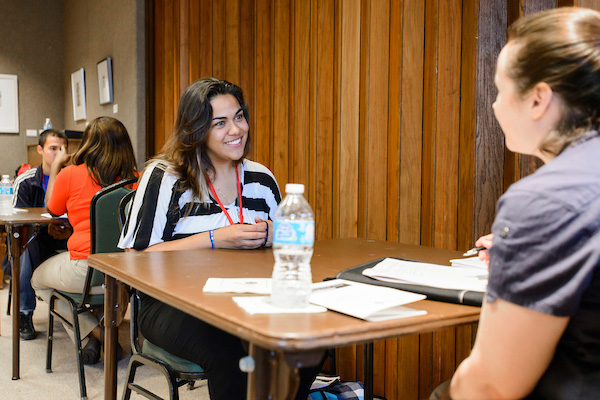
Shadowing & Informational Interviews
Shadowing Speech Pathologists is a great way to learn more about the broad roles and responsibilities this career has in various settings. Many programs require a specific amount of documented observation and clinical hours.

Volunteering
Speech Hearing and Language Pathology Programs may look for applicants who demonstrate a sustained commitment to serving others. Learn more about opportunities to volunteer in areas related to advocacy, education, and clinical or non-clinical settings.
Jobs & Certifications
After volunteering and exploring, working in education, research, or a clinical setting is a great way to learn about aspects of the field.
Preparing for a SLP Program
SLP Required Coursework
Requirements vary from school to school, so it’s always necessary to consult program websites. Some programs require that applicants have an undergraduate degree in Communication Sciences and Disorders (CSD).
Pre-requisite courses may include: Biological sciences, Physical sciences (chemistry or physics), Statistics, Social/behavioral sciences
Most Master Degree programs in Speech Language Pathology require Communication Sciences & Disorders Prerequisites such as:
| Topic | UW-Madison Courses |
|---|---|
| Speech Science | CS&D 201 |
| Normal Aspects of Hearing | CS&D 202 |
| Language Development in Children and Adolescents | CS&D 240 |
| Phonetics and Phonological Development | CS&D 315 |
| Voice, Craniofacial and Fluency Disorders | CS&D 318 |
| Introduction to Audiology | CS&D 320 |
| Pre-Clinical Observation of Children and Adults | CS&D 371 |
| Auditory Rehabilitation | CS&D 425 |
| Child Language Disorders, Assessment and Intervention | CS&D 440 |
Many programs require the Graduate Record Examination (GRE). The module “Prepare for the GRE” on our “Applying to Health Professions” Canvas course has more information on study plans, resources, and tips.
Find a Program & Apply
The American Speech-Language-Hearing Association (ASHA) has a resource called the EdFind with information on speech language pathology programs in the US and Puerto Rico. (Select “Speech-Language Pathology” under “Area of Study.”) To learn more about the data in EdFind or for further information about education in communication sciences and disorders, visit ASHA’s About EdFind web page.
ASHA also links to a list of speech language pathology programs accredited by the Council on Academic Accreditation (CAA).
Finally, some students have found speechpathology.org to be a helpful resource in exploring specialties and finding schools near them.
All accredited Speech Language and Hearing Pathology programs use the Communication Sciences and Disorders Centralized Application Service (CSDCAS) as a common application. Applications open in July and it can be helpful to submit early if the school uses rolling admissions or has a priority deadline.
The CSDCAS Help Center shares more information about application components.
Read more about the CSDCAS Fee Assistance Program.
Career Resources
Related CPHA Canvas Courses
Pre-Health 101
If you are a first year student or healthcare is a new interest, begin by signing up for Pre-Health 101: our free, self-paced online orientation course. It provides an overview of pre-health classes, activities, application timelines, and more.
Applying to Health Programs
CPHA runs a Canvas course called Applying to Health Programs, a non-credit course designed to help you with the process of applying to programs like SLP programs.