Cytology
About Cytology
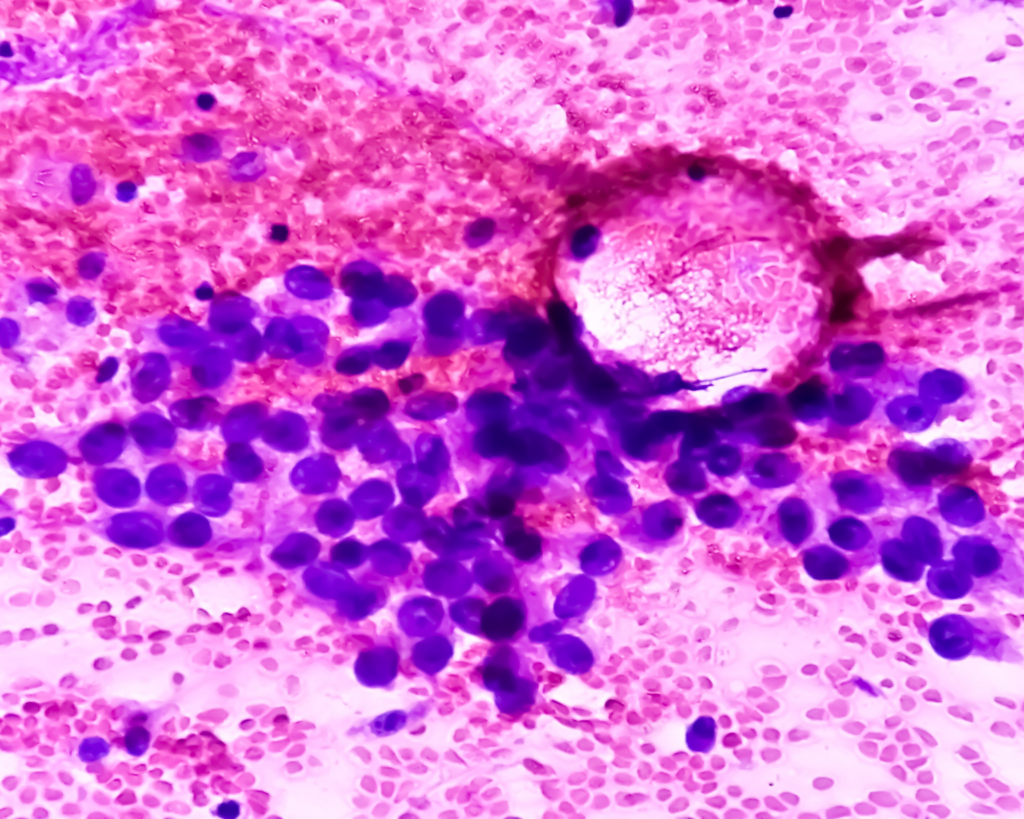
According to the American Society for Cytotechnology (ASCT), Cytologists (formerly Cytotechnologists) are medical laboratory professionals who prepare and analyze cellular material under a microscope. They play a critical role in identifying cancer cells, such as cells from the cervix (Pap smear) or from almost anywhere else in the body.
Cytologists work under the supervision of a Pathologist (physician) who will make an ultimate diagnosis.
They most often work in hospital laboratories but can also work in academia, research or in corporate laboratories. They typically work behind the scenes, but may interact with patients if assisting with biopsies.
Learn more about careers in laboratory science by visiting laboratorysciencecareers.com or whatsmynext.org. For the most up-to-date salary information, visit the U.S. Bureau of Labor Statistics website.
UW-Madison no longer offers a Cytotechnology program. While this field is not among CPHA’s primary areas of advising expertise, we are here to support you in exploring the career, building helpful experiences, and navigating some aspects of professional program applications. Talk with us if you have questions!
On this page: Degree & Certification Paths | Explore Your Interest in Cytology | Preparing for a CT Program | Find a Program & Apply | Career Resources | Related CPHA Canvas Courses
Degree & Certification Paths
Become a cytologist by completing a CAAHEP accredited baccalaureate, post-baccalaureate (certificate), or master’s program in Cytology.
Candidates then sit for the American Society for Clinical Pathology (ASCP) Board of Certification exam. Once certification is obtained, CTs maintain their certification by completing continuing education credits.
Explore Your Interest in Cytology
Shadowing & Informational Interviews
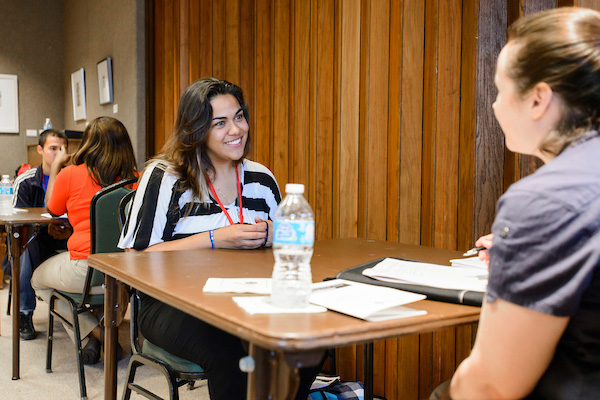
An excellent way to explore your interest in the profession is by talking directly with cytologists. Shadow or conduct informational interviews with cytologists to learn what their day is like. Look for cytologists on hospital or university websites, LinkedIn, Instagram, or TikTok and see if they are willing to talk about their career.
Volunteering
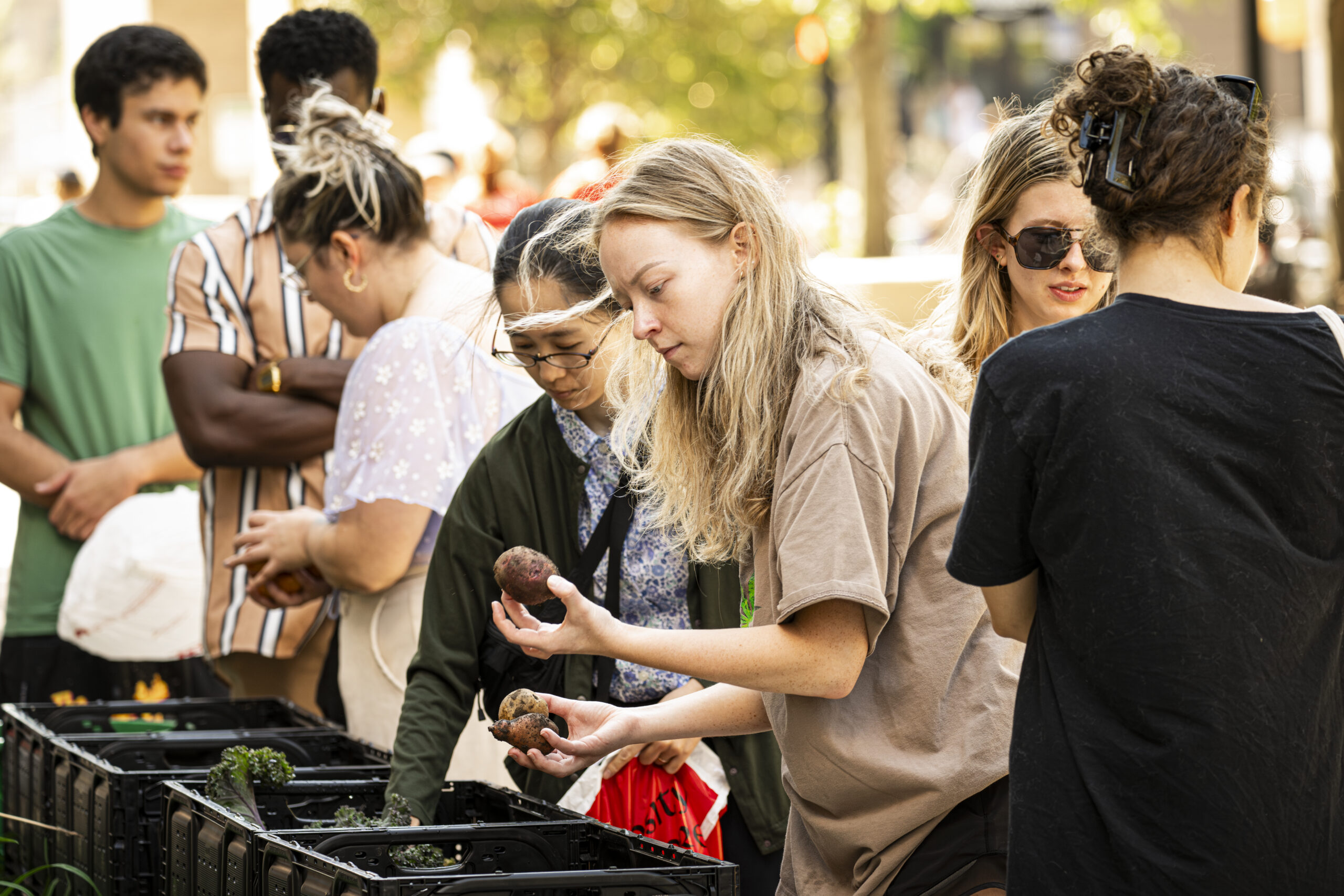
Cytology programs look for applicants who demonstrate a sustained commitment to serving others. Learn more about opportunities to volunteer in clinical and non-clinical settings.
Jobs & Certifications
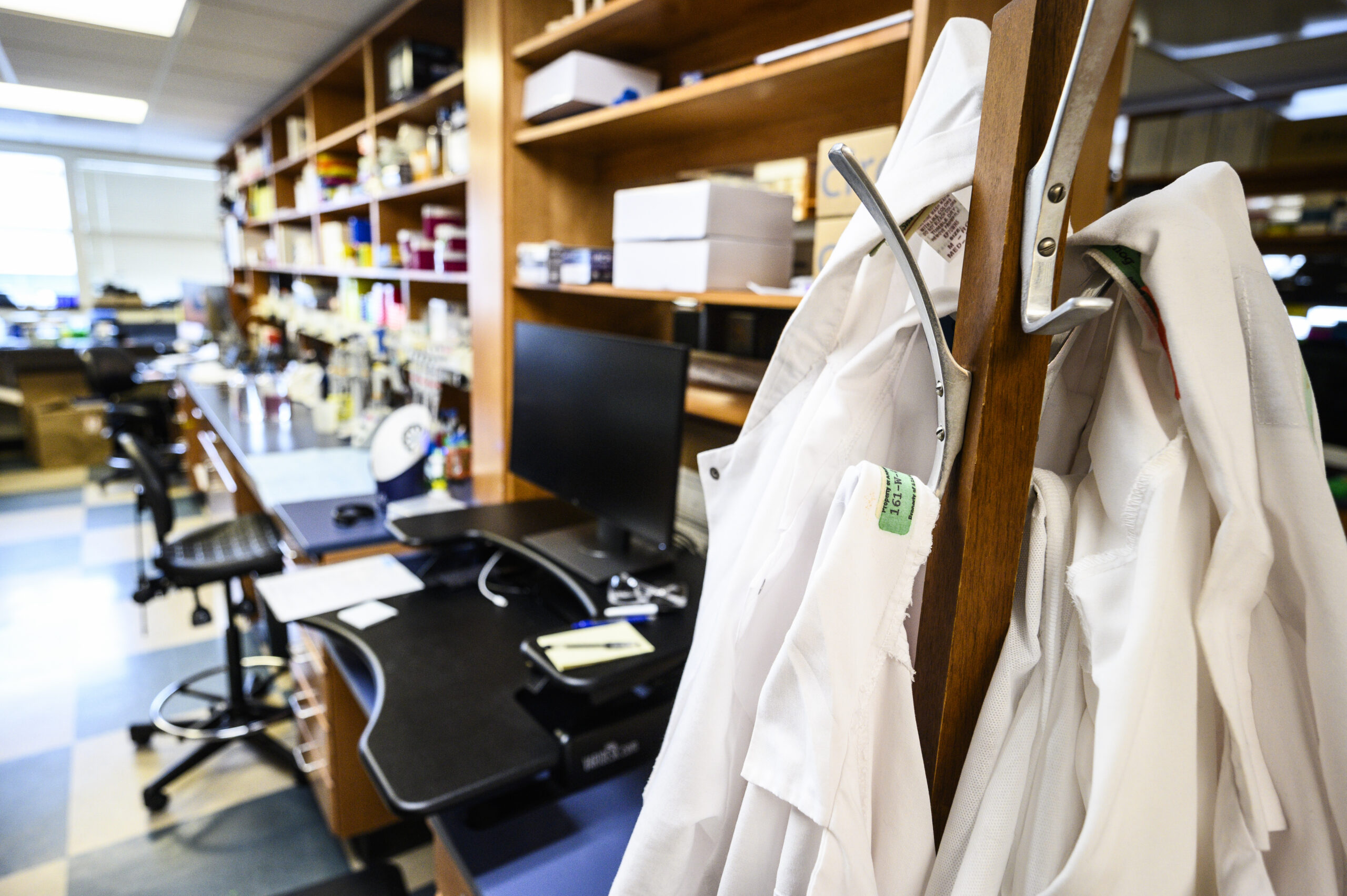
Getting a job in a clinical laboratory or research laboratory setting is a great way to learn about the practical aspects of the field. Consider specimen processing, phlebotomy, or laboratory assistant positions. Confirm that this work is something you enjoy!
Preparing to become a CT
Cytology Required Coursework
Requirements vary from school to school, so it’s always necessary to consult program websites. Find a list of programs via the link above. Pre-requisite courses may include:
| Topic | Credits/Semesters | UW-Madison Courses |
|---|---|---|
| General Chemistry | 8-10 credits or 2 semesters | Choose one of the following sequences: Chemistry 103-104 Chemistry 109 |
| Organic Chemistry | 3-8 credits or 1-2 semesters | Choose one: Chem 341-342 Elementary Organic Chemistry Chem 343/345/344 Introductory and Intermediate Organic Chemistry with lab |
| Biology | 5-10 credits Usually labs are required. | Choose one of the following sequences: Zoology 101-102 + an additional bioscience course Options include: Genetics, Microbiology, Cell Biology, Immunology Note: you may need to do an additional bio-science course with lab Biology 151-152 Biocore 381-382 AND 383-384 satisfies Intro to Bio requirements Biocore 485-486 Organismal Biology lecture/lab (Satisfies I/A bio) *Biocore: Students must apply to enroll in Biocore. For more information, visit the Biocore Website |
| Biochemistry | 3 credits | Biochem 501 |
| Anatomy with lab | 4-5 credits | Anatomy & Physiology 337- lecture Anatomy & Physiology 338 – lab |
| Physiology with lab | 4-5 credits | Anatomy & Physiology 335 – lecture & lab |
| Physics | 8-10 credits | Choose one of the following sequences: Physics 103-104 (algebra-based) Physics 201-202 (calculus-based; intended for Engineering majors) Physics 207-208 (calculus-based; intended for Life Science majors) *If physics is required for your major, select the sequence recommended by your major. If physics is not required by your major, physics 103-104 is an appropriate choice. |
| Additional Biology | Varies | Options include: Immunology 341 Genetics 466 Microbiology 101/102 or Microbiology 303/304 |
| Statistics | 3 credits | Stats 301 Stats 371 Psych 210 A statistics course in your major Statistics 240 – Data Science Modeling – Excellent choice for students who have AP credit for Stats 301 and wish to take a math/statistics course at the college level. This course teaches coding in “R.” If you don’t have credit for Stats 301 or 371 and take Stats 240, you should plan on taking Stats 340 for a deeper understanding of handling and analyzing data. |
| Humanities | Take 6 credits of English | Advice for Finding English Courses |
Find a Program & Apply
The Commission on Accreditation of Allied Health Education Programs (CAAHEP) has a program directory with information on accredited cytology programs in the US.
Programs will have you apply directly on their website. Applications will often open in fall or winter to start the following summer. Some programs will require an interview.
Reach out to schools directly to request a fee waiver if application costs make applying prohibitive.
Find scholarship, grant, and fellowship opportunities by visiting the American Society for Clinical Pathology (ASCP) or the American Society for Cytotechnology websites.
Career Resources
Related CPHA Canvas Courses
Pre-Health 101
If you are a first year student or healthcare is a new interest, begin by signing up for Pre-Health 101: our free, self-paced online orientation course. It provides an overview of pre-health classes, activities, application timelines, and more.
Applying to Health Programs
CPHA runs a Canvas course called Applying to Health Programs, a non-credit course designed to help you with the process of applying to programs.