
About CPHA
The Center for Pre-Health Advising (CPHA) is a centralized resource for all UW-Madison students and alumni (no time limit) who are interested in pursuing careers in healthcare. Our primary advising expertise is supporting students to explore, prepare for, and apply to graduate level professional programs, such as MD/DO, PA, OT, PT, Dental, Vet MD, and Public Health. Interested specifically in Nursing, Pharmacy, or Veterinary Medicine? We also encourage you to connect directly with staff in these UW programs for the best possible guidance.
CPHA is dedicated to inclusive, ongoing, personalized, and holistic relationships with advisees, wherever you are on your path to serving others in healthcare. Our resources include 1:1 advising via drop-ins and appointments, Canvas courses, professional development programming, newsletters, and more. We are part of your broader campus support network, which includes many other helpful academic, career services, and student development resources.
There is not a specific “Pre-Health Major” at UW-Madison. Instead, students interested in graduate level health professions programs have the flexibility to choose a major that most interests them and complete program prerequisites alongside that major, as part of their overall degree. Beyond the classroom, Pre-Health students will explore and prepare through engaging in meaningful experiences like volunteering, on and off-campus employment, clinical work, patient care, research, studying abroad, shadowing, and more.
Pursuing health professions programs can feel confusing and overwhelming. CPHA is here to help you navigate the process!

Based in the Pre-Professional Advising office in suite 205 Middleton Building on campus, we are co-located with the Center for Pre-Law Advising (CPLA).
CPHA & CPLA have a shared priority of increasing access and equity in the fields of health and law.
CPHA Highlights
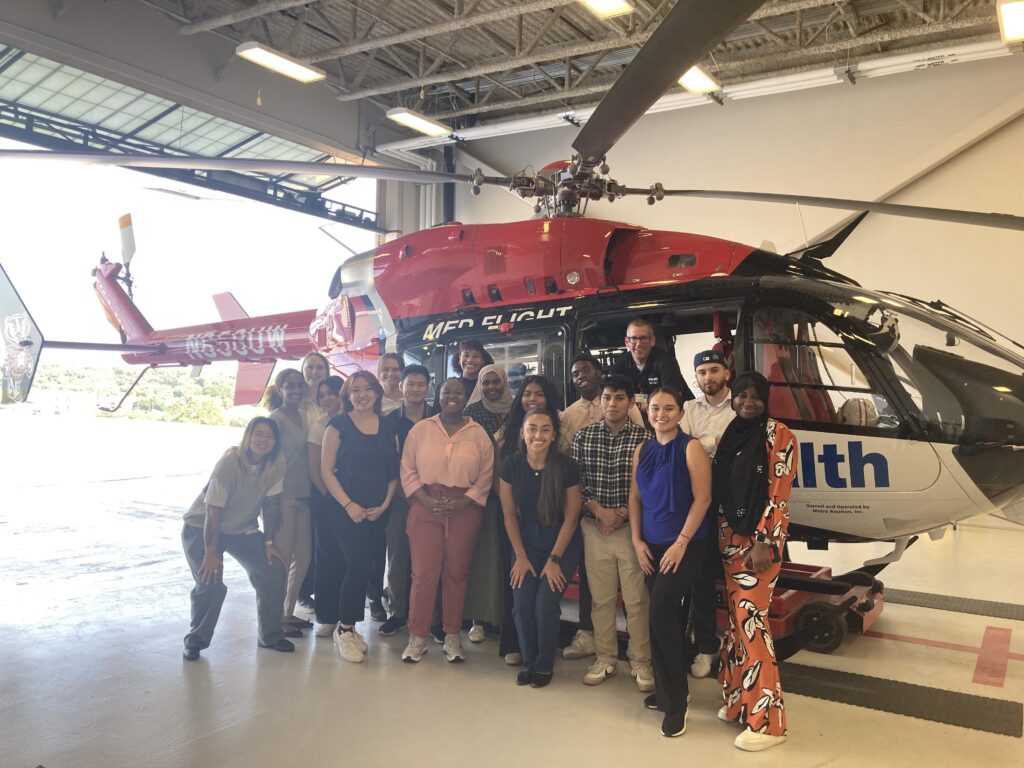
Health Professions Shadowing Program
The Health Professions Shadowing Program (HPSP) is designed to help increase access and equity in healthcare.
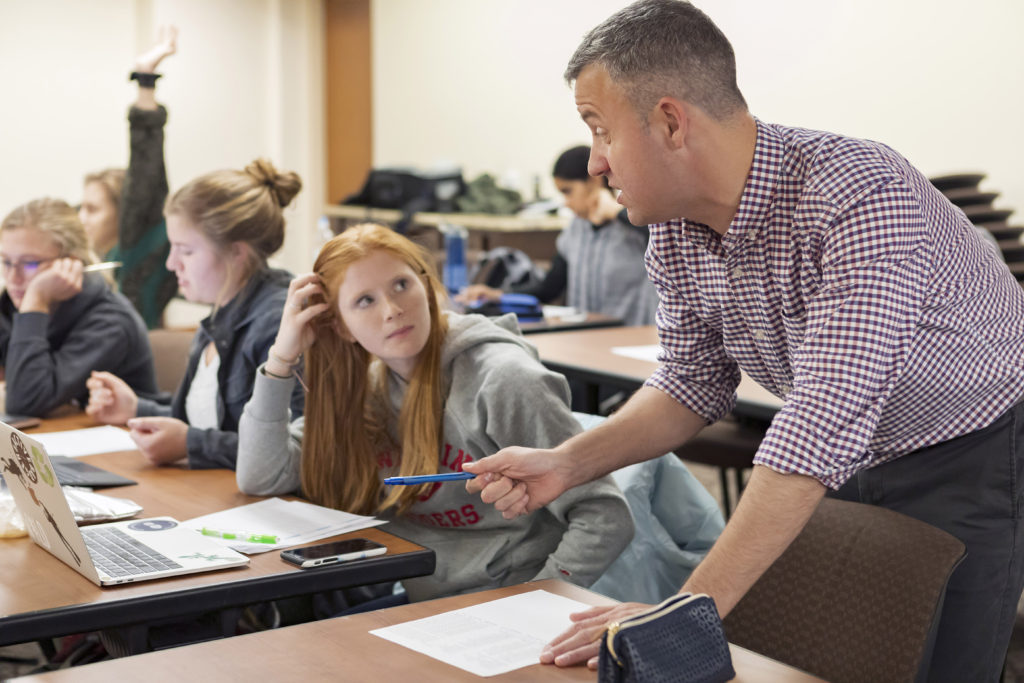
Planning Sessions for First-Year Students
Led by our First-Year Specialist, Mike Hill, Planning Sessions for First Year Students are a great opportunity for first year and transfer students to begin developing a personal four (or more) year plan to a career in healthcare.
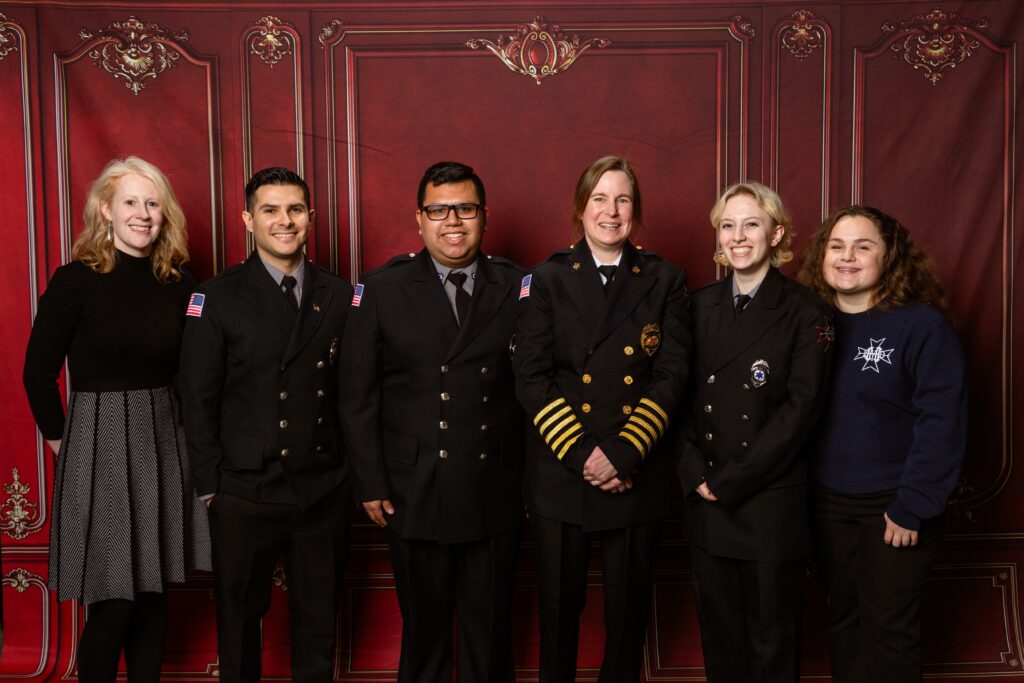
EMT Experience Program
The EMT Experience Program (EMTEP) seeks to help increase access and equity in healthcare through providing a combination of EMT certification, transportation, and hands-on, mentored professional development experiences to undergraduates committed to serving as EMTs within local rural communities.
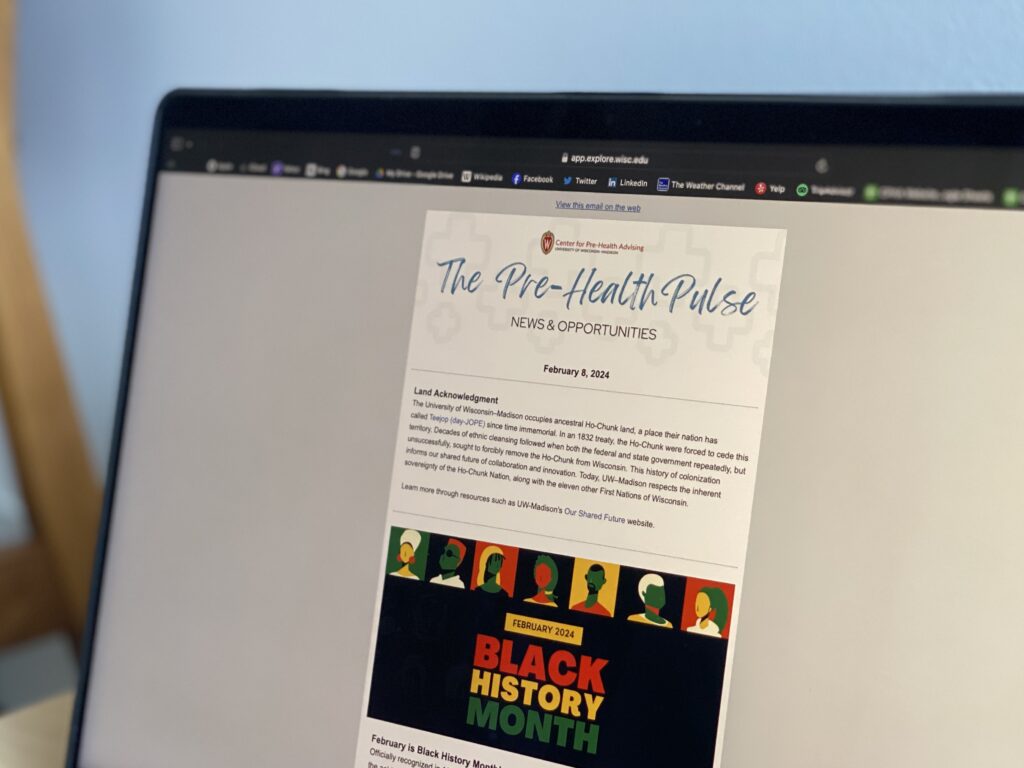
The Pre-Health Pulse
Subscribe to our bimonthly newsletter to stay in the loop about pre-health events, opportunities, resources, and more!
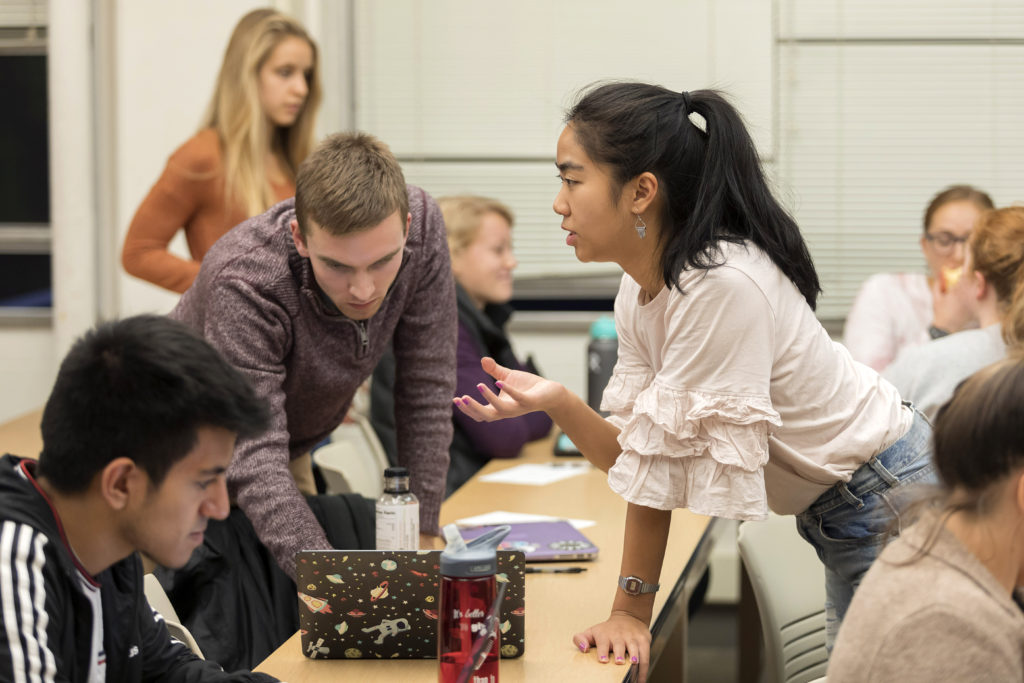
Drop-in Advising
In addition to one-on-one advising appointments, CPHA hosts drop-ins four times per week with an in-person or virtual option.
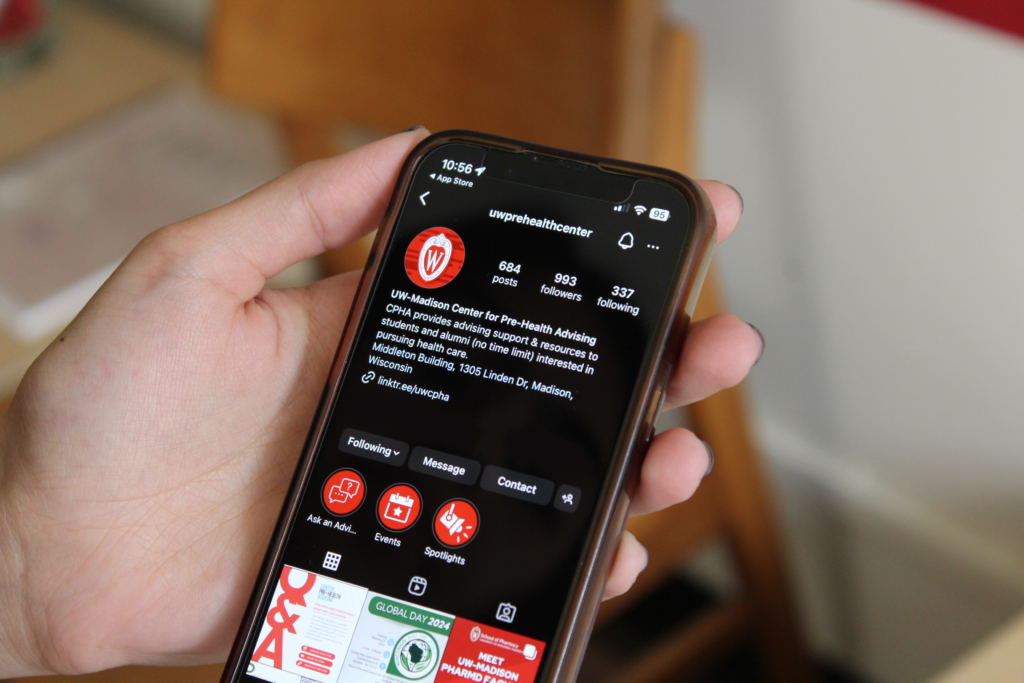
Find us Online
Follow us on Instagram to keep up-to-date on the latest pre-health events, opportunities, resources, and more!

Get Advising
As a UW-Madison student, you have full access to CPHA’s resources for as long as you need them – even after you graduate. Explore some of our advising resources tailored to every stage of preparing for a career in healthcare.

Explore Health Professions
There are many professions in healthcare, and everyone’s path to a healthcare career looks different. Learn more about health professions, required coursework, related graduate program application processes, and more.

CPHA Events Calendar
Explore pre-health events including professional development programming, First Year Planning Sessions, drop-in advising, and more!
Partner with CPHA
Interested in collaborating with our office? Connect with us via email at questions@prehealth.wisc.edu!
Advising & Confidentiality
We are here to support you in reaching your goals, including navigating academic or personal challenges as they relate to pursuing professional programs after graduation. While our advisors are able to keep most conversations private in accordance with FERPA, sometimes information disclosed during advising or in personal statements requires us to communicate with other support offices on campus (such as the Dean of Students or the Title IX Coordinator).
Why are we required to discuss certain situations with other offices? Due to various federal, state, and UW policies, we are not Confidential Campus Resources when it comes to incidents such as sexual harassment, sexual assault, dating/domestic violence, stalking, or sexual discrimination.
Two examples of Confidential Campus Resources are University Health Services and the McBurney Disability Resource Center. To learn more about efforts related to campus safety and expectations of faculty and staff, please speak with your advisors or visit the Title IX information page and Clery Act information page.
The goal of communication is to ensure a safe and healthy campus community, and to ensure that students receive the information they personally need to be safe and healthy. However, we understand that you may have questions or concerns about these policies. Please do not hesitate to bring these up with your advisor.