Histotechnology
About Histotechnology
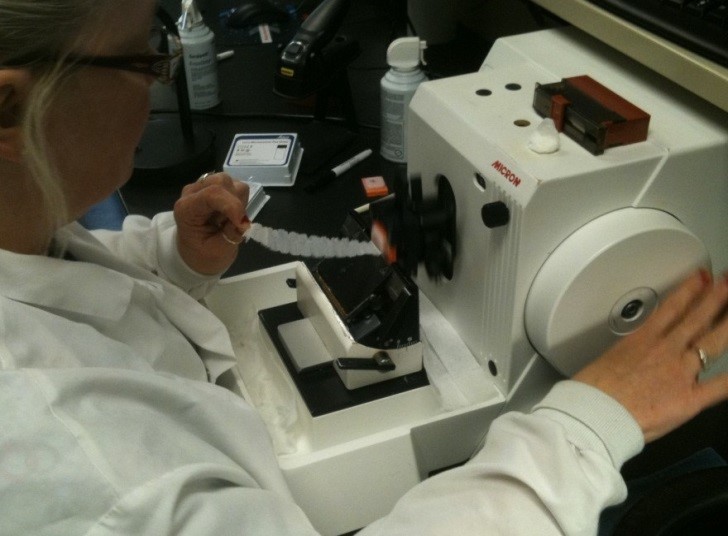
According to the National Society for Histotechnology, Histotechnologists are medical laboratory professionals who prepare tissue samples to be analyzed microscopically.
Histotechnologists work under the supervision of a Pathologist (physician) who will make an ultimate diagnosis. They most often work in hospital laboratories but can also work in academia, research, industry, veterinary laboratories, or forensic laboratories. Typically, they’ll work behind the scenes, but may interact with patients if assisting with specimen collection.
Learn more about careers in laboratory science by visiting laboratorysciencecareers.com or whatsmynext.org. For the most up-to-date salary information, visit the U.S. Bureau of Labor Statistics website.
UW-Madison does not offer a Histotechnology program. While this field is not among CPHA’s primary areas of advising expertise, we are here to support you in exploring the career, building helpful experiences, and navigating some aspects of professional program applications. Talk with us if you have questions!
On this page: Degree & Certification Paths | Explore Your Interest in Histotechnology | Find a Program & Apply | Career Resources
Degree & Certification Paths
Histotechnologists are bachelor’s trained laboratory professionals who have completed a NAACLS accredited Histotechnician or Histotechnologist training program or have one year of experience in a histopathology laboratory. They must pass the American Society for Clinical Pathology (ASCP) Board of Certification exam.
Explore Your Interest in Histotechnology
Shadowing & Informational Interviews
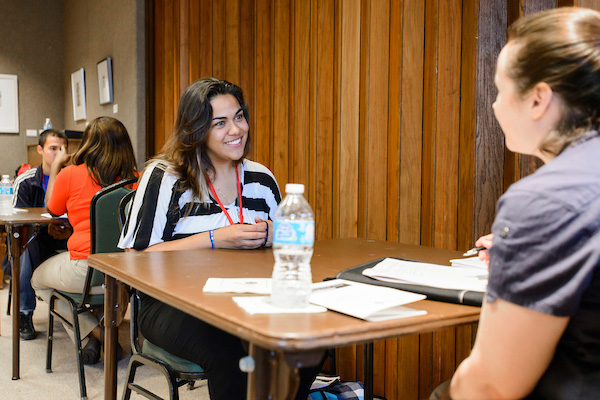
An excellent way to explore your interest in the profession is by talking directly with Histotechnologists. Shadow or conduct informational interviews with Histotechnologists to learn what their day is like. Look for Histotechnologists on hospital websites, LinkedIn, Instagram, or TikTok and see if they are willing to talk about their career.
Volunteering
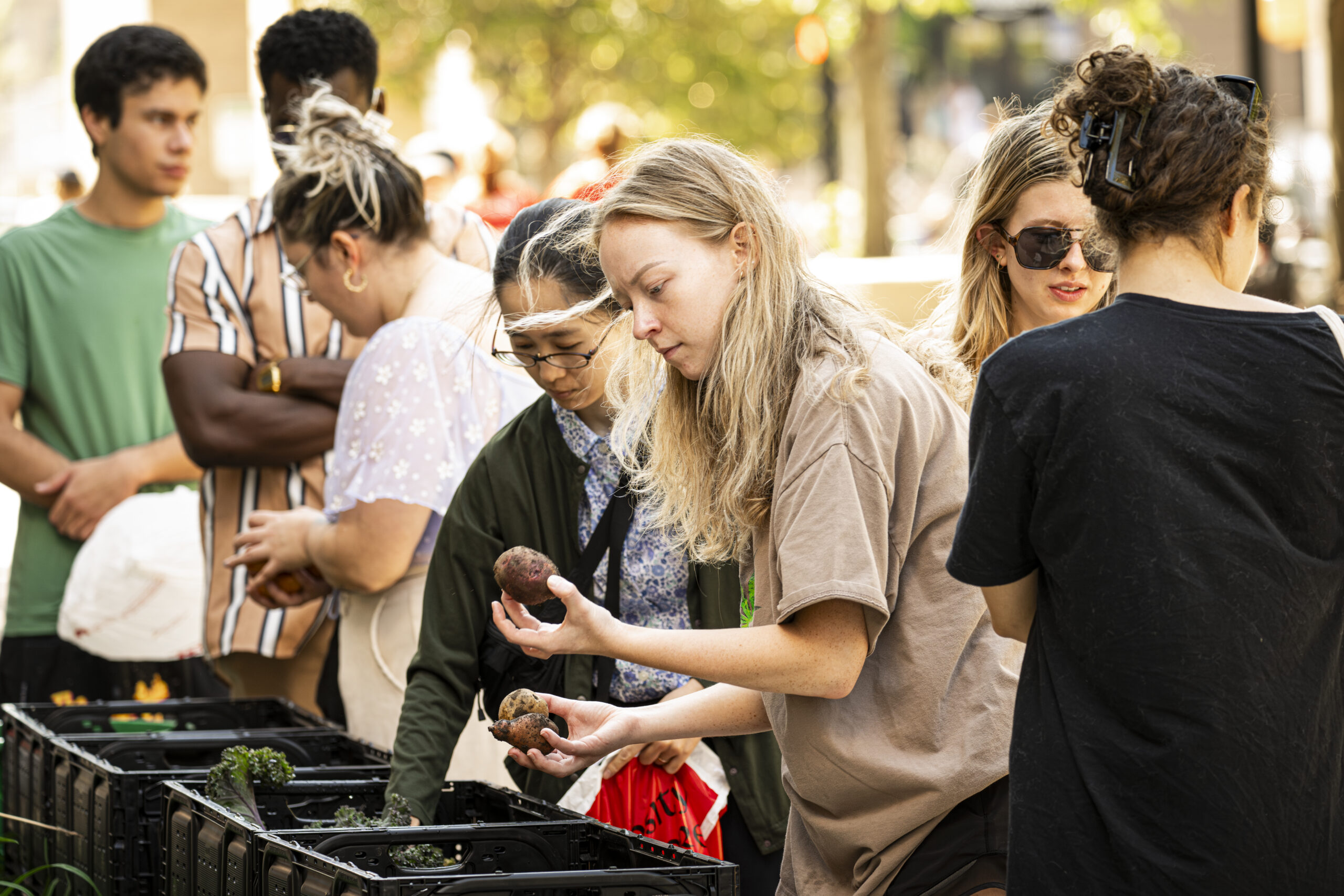
Histotechnology programs look for applicants who demonstrate a sustained commitment to serving others. Learn more about opportunities to volunteer in clinical and non-clinical settings.
Jobs & Certifications
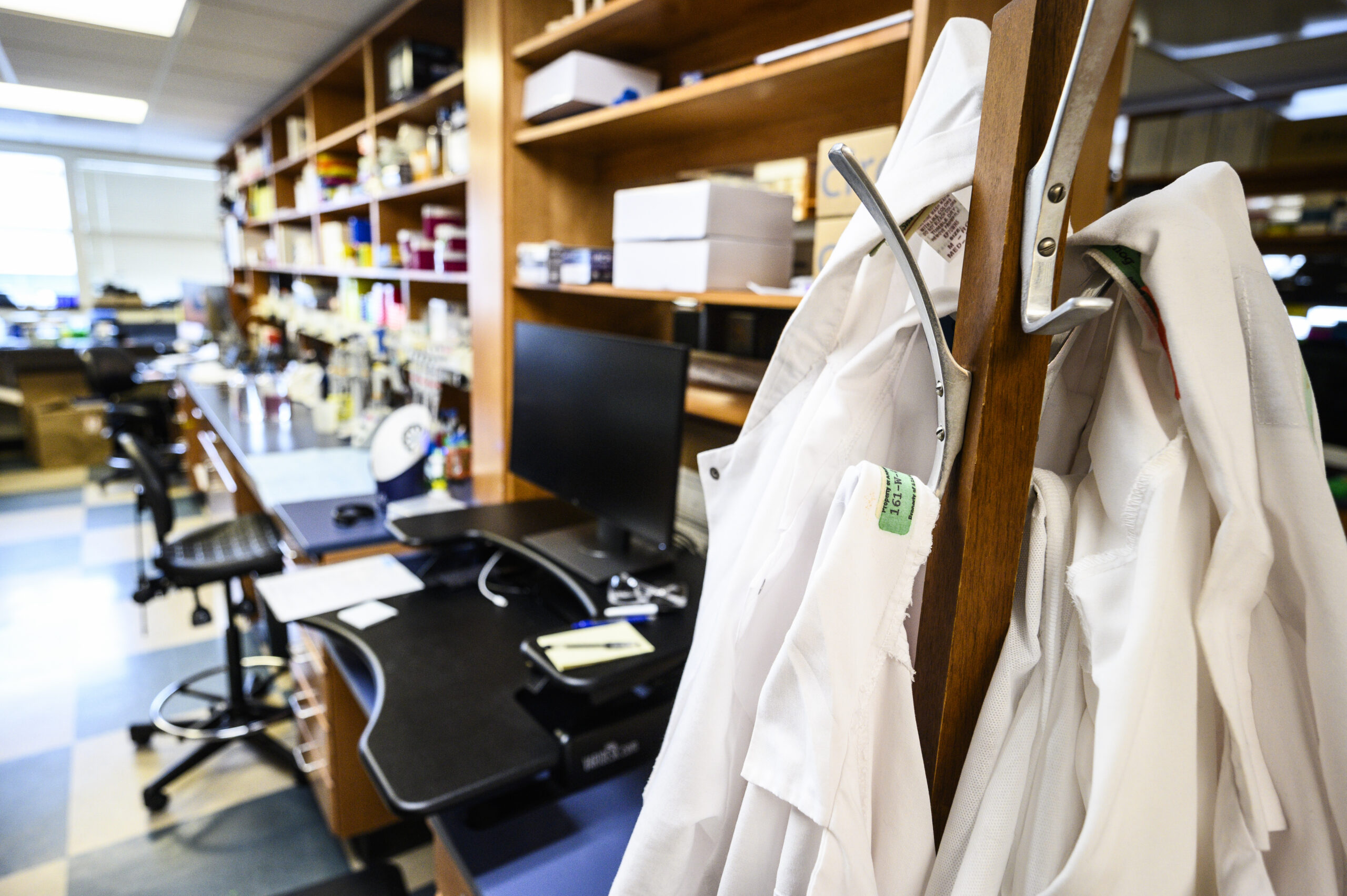
Getting a job in a clinical laboratory or research laboratory setting is a great way to learn about the practical aspects of the field. Consider specimen processing, phlebotomy, or laboratory assistant positions. Confirm that this work is something you enjoy!
Find a Program & Apply
The National Accrediting Agency for Clinical Laboratory Sciences (NAACLS) has a program directory with information on accredited histotechnology programs in the US and abroad. (Select “Histotechnologist” or “Histotechnician” under “Program Type.”)
View individual program websites for application information.
Coursework requirements vary from school to school, so it’s always necessary to consult program websites.