Diagnostic Medical Sonography
About Diagnostic Medical Sonography (Ultrasound Technology)
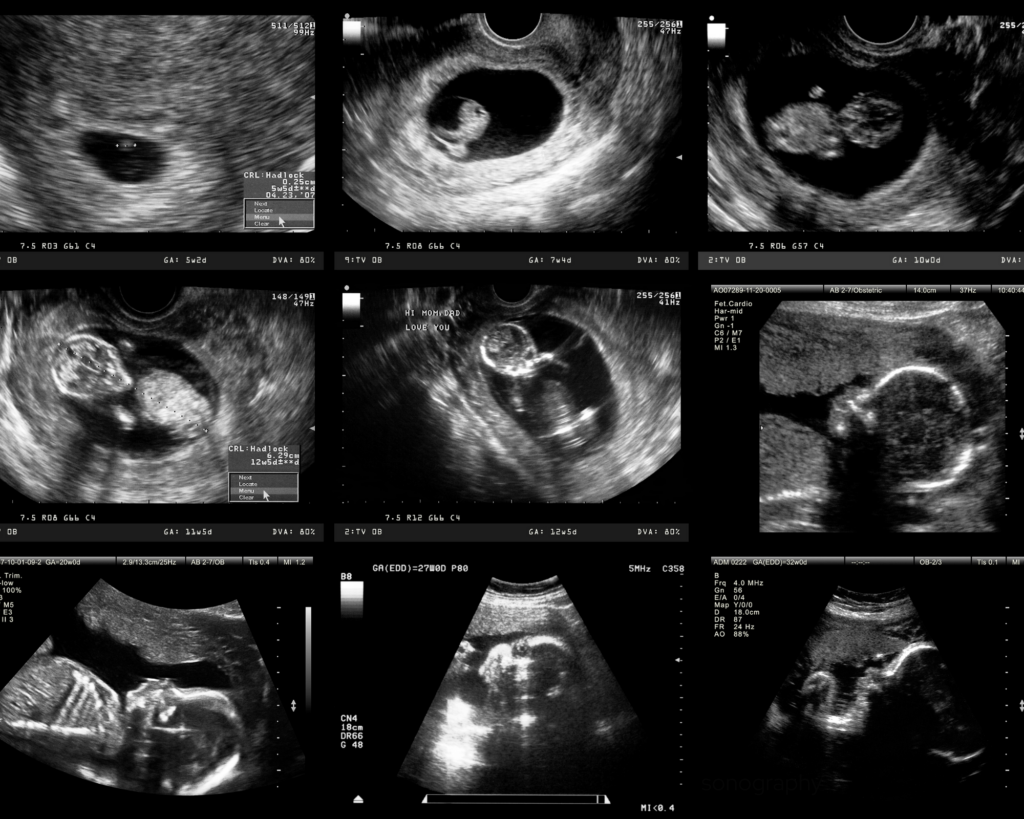
According to the American Registry of Diagnostic Medical Sonographers (ARDMS), Diagnostic Medical Sonographers (also sometimes called Sonographers, Ultrasound Technologists or Ultrasound Technicians) use equipment that produces soundwaves to form ultrasound image (or sonograms) that are then interpreted by physicians.
Within this field, it is possible to specialize in Abdomen, Breast, Cardiac, Musculoskeletal, Pediatric Sonography, Obstetrics and Gynecology and Vascular Technology.
For the most up-to-date salary information, visit the U.S. Bureau of Labor Statistics website.
UW-Madison does not offer a Diagnostic Medical Sonography program. While this field is not among CPHA’s primary areas of advising expertise, we are here to support you in exploring the career, building helpful experiences, and navigating some aspects of professional program applications. Talk with us if you have questions!
On this page: Degree & Certification Paths | Explore Your Interest in Sonography | Find a Program & Apply | Career Resources
Degree & Certification Paths
Diagnostic Medical Sonographers can be certified through ARRT and/or ARDMS.
To be certified through American Registry of Radiologic Technologists (ARRT), students need to earn an associate’s degree or higher and complete an ARRT-approved program in Sonography. They will then need to satisfy an ethics requirement and take the certification exam. With a background in Sonography, it is possible to become a MRI technologist, Vascular Sonographer, or Breast Sonographer through the American Registry of Radiologic Technologists (ARRT) post-primary certification process. Likewise, If you have a background in Radiography, Nuclear Medicine Technology, or Radiation Therapy and are certified for ARRT or NMTCB, you can become a Vascular Sonographer through the ARRT post-primary certification process.
To be certified through the American Registry for Diagnostic Medical Sonography (ARDMS) as a RDMS, you must meet the exam prerequisites and then pass a physics and speciality exam. However, there are many ways to satisfy the exam prerequisites including:
- Completing a 2 year health program that is patient care related (i.e. diagnostic medical sonography, radiologic technology, respiratory therapy, OT, PT, nursing) and then obtaining 12 months of full time clinical ultrasound/vascular experience
- Graduating from a program that is accredited by the Commission on Accreditation of Allied Health Education Programs (CAAHEP)
- Obtaining a Bachelor’s degree in any field and then obtaining 12 months of full time clinical ultrasound/vascular experience
- Obtaining a Bachelor’s degree in Sonography or Vascular Technology
- Earning RCS, CSS or RVS credentials through Cardiovascular Credentialing International (CII), or credentials in Sonography, Vascular Sonography or Breast Sonography through ARRT
Explore Your Interest in Sonography

Shadowing & Informational Interviews
An excellent way to explore your interest in Diagnostic Medical Sonography is by talking to a Sonographer and observing their work directly. If you have friends or family who work in health care (in ANY role) ask if they know any Sonographers or look for Sonographers on LinkedIn, Instagram, or TikTok to see if they are willing to talk about their career.

Volunteering
Diagnostic Medical Sonography programs may look for applicants who demonstrate a sustained commitment to serving others. Learn more about opportunities to volunteer in clinical and non clinical settings.
Jobs & Certifications
After volunteering and exploring, working in research or a healthcare setting is a great way to learn about practical aspects of the field. It may even be possible to work as a Sonography or Ultrasound Assistant.
Additional Exploration Resources
- Real Talk Sonography shares the perspective of over 20 Sonographers interviewed by ARDMS.
- Watch this Health Careers Without Medical School Panel recording from Spring 2023 to hear from professionals in various health fields including sonography.
Health Careers Without Medical School Panel (Spring 2023)
Find a Program & Apply
The Commission on Accreditation of Allied Health Education Programs (CAAHEP) has a program directory with information on accredited perfusion programs in the US (just select “Diagnostic Medical Sonography” under “Profession.” The American Registry of Radiologic Technologists (ARRT) also has a list of approved programs. (Select “Sonography” and/or “Vascular Sonography” under “Discipline.”)
Associate and Bachelor’s programs typically require that applicants apply to the institution as a degree seeking (or second degree) student. Certificate programs may require you to be enrolled in an affiliate institution.
Some programs may have fee waivers available. Contact them directly for more information.
Coursework requirements vary from school to school, so it’s always necessary to consult program websites.
Career Resources
-
American Institute of Ultrasound in Medicine
-
American Registry of Radiologic Technologists
-
American Registry for Diagnostic Medical Sonography
-
American Society of Echocardiography
-
Commission on Accreditation of Allied Health Education Programs
-
Society of Diagnostic Medical Sonography
-
Society for Vascular Ultrasound